Poor Andrew. On his journey from Bottacks, he had met and chatted with so many people. They were now about to appear before him to give their account of their meetings. Surely he must now be regretting his actions. He didn’t stand a chance.
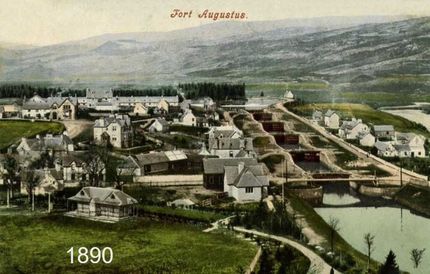
Andrew had made his way to Fort Augustus that fateful weekend to work on the canal banks. After a Jacobite rebellion in 1715, General Wade built a Fort at the place named Kiliwhimin (Cille Chuimein). He named it Fort Augustus after the Duke of Cumberland, the youngest son of King George II. The Jacobites would take the Fort in 1746 just prior to the Battle of Culloden.
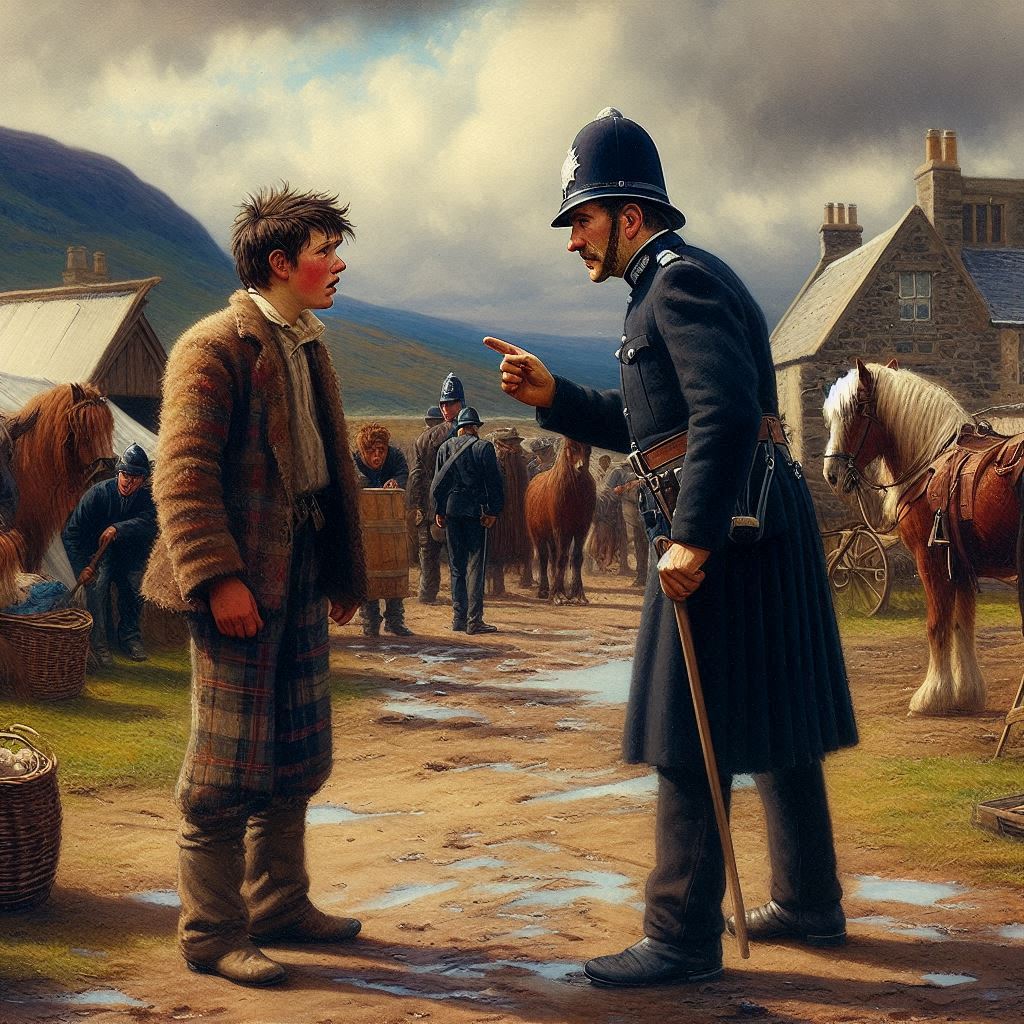
Andrew realised he was in trouble was when the County Constable, William MacIvor, approached him at the canal in Fort Augustus. Here is what he had to say:
‘In consequence of a letter I received from the Fiscal Office in Dingwall, I yesterday apprehended on the South bank of the Caledonian Canal at Fort Augustus, a person answering the description given in that letter of Andrew Ballantyne accused of horse stealing. He at once admitted his name to be Andrew Ballantyne and accompanied me to the Fort.
I asked him if he had a horse with him, and he told me he had, and where I should find him grazing on a common in the neighbourhood, and to here I accordingly found the horse. He told me the horse had been given to him by a girl, the daughter of the owner in Strathpeffer.
I arrived today in Dingwall with Ballantyne and the horse. All which is truth.”
William MacIvor
Discover more from Discovering My Family
Subscribe to get the latest posts sent to your email.


 Discovering My Family