I have been researching my family for over twenty years and the more I discover about my ancestors’ lives, the more I am grateful for their adventures and struggles that eventually led to the comfortable and privileged life that I can enjoy in the 21st century, even taking into consideration the current carona virus situation that we are struggling to deal with and understand.
My day-to-day inconvenience of having to wear a mask while shopping or even my worry when my son had the virus, are really nothing compared to the hardships and uncertainty of the past as lived by my Ballantyne ancestors in 19th century Scotland. I live with the knowledge that these were tough and resilient people who survived against all of the odds without any of the conveniences or safety nets that we, thankfully, have today.
As I have outlined in previous posts, the Ballantynes originate from Selkirk in the south east of Scotland. Walter Ballantyne (1796-1876), my 4x great grandfather, was a shepherd who moved north with his wife, Helen Scott, and young family at some point before 1837 when his son, James was born in Fodderty, near Dingwall in Ross-shire.
The skills of experienced shepherds from the south of Scotland were in demand in the Highlands and Walter, along with other lowland Scots moved north to work in the cleared estates of the Highlands. The family were settled in Bottacks, near Fodderty until 1841 when, tragically, Walter and Helen’s daughter Isabel died. This was the beginning of cataclysmic changes for the family.
I still have so much of their story to find out but I can be sure about the following; birth certificates for Walter and Helen’s children James in 1834, and Isabel, 1840, show they were born in Bottacks near Dingwall. Robert’s birth certificate, (my 3x great grandfather) shows that he was born in Kinlochluichart, west of Fodderty, south of Bottacks in 1837. It is quite possible that the family often travelled between the Highlands and Lowlands of Scotland, droving sheep or visiting family. It is clear, however, that the family fragmented in 1842 prior to Andrew (b.1824) being arrested for horse stealing and eventually being deported to Australia, and after the death of baby Isabel in 1841, with the family heading south once more. After this point, there is no evidence of Walter and Helen being together as a couple.
Robert, aged 14, my 3x great grandfather, next appears on the Isle of Lewis in the area of Lochs with his father, Walter, and his new wife, Agnes in 1851. Walter is still being employed as a shepherd. It is possible that the family lived on in Lewis for a few years with Robert himself becoming an agricultural servant.
On 17th May 1855, 18 year old Robert married a young Ayrshire lass, Sarah Paton, from Stair, who was working on Lewis as a domestic servant. The wedding took place at Melbost on the Isle of Lewis where Sarah was living and working, while Robert lived at Holm, which is south of Melbost. Their first child, James was born less than five months later in Coylton, Ayrshire where Sarah’s family lived.
The birth of the couple’s second child, Robert, on 23rd March 1858 finds the family back in Ross-shire near Achnasheen, close to Robert senior’s place of birth at Kinlochluichart. Robert is now a shepherd like his father, Walter.
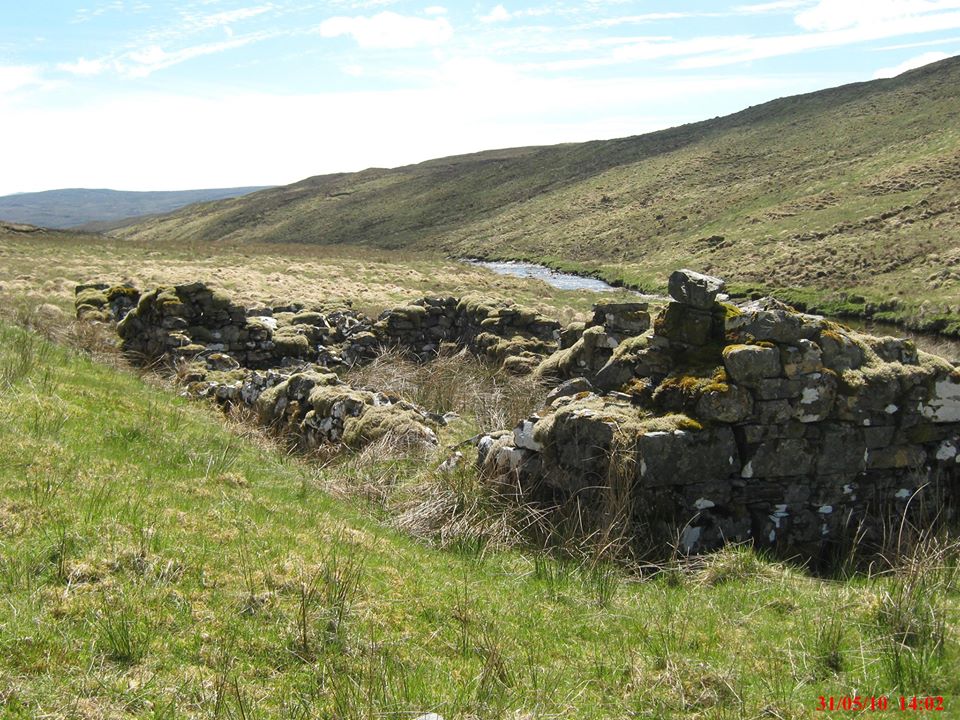
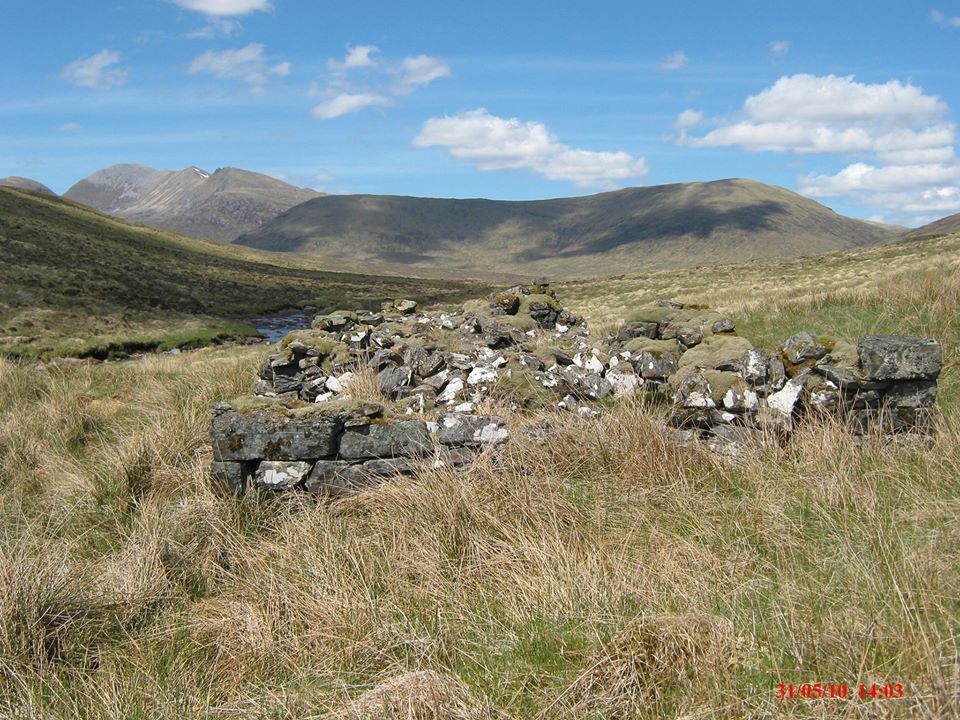
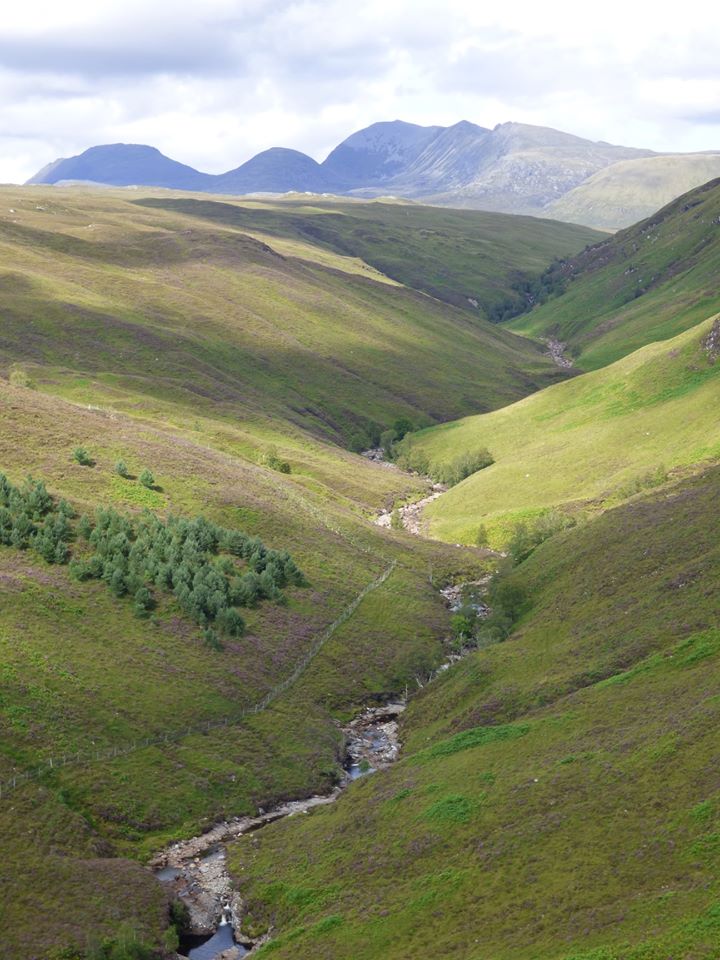
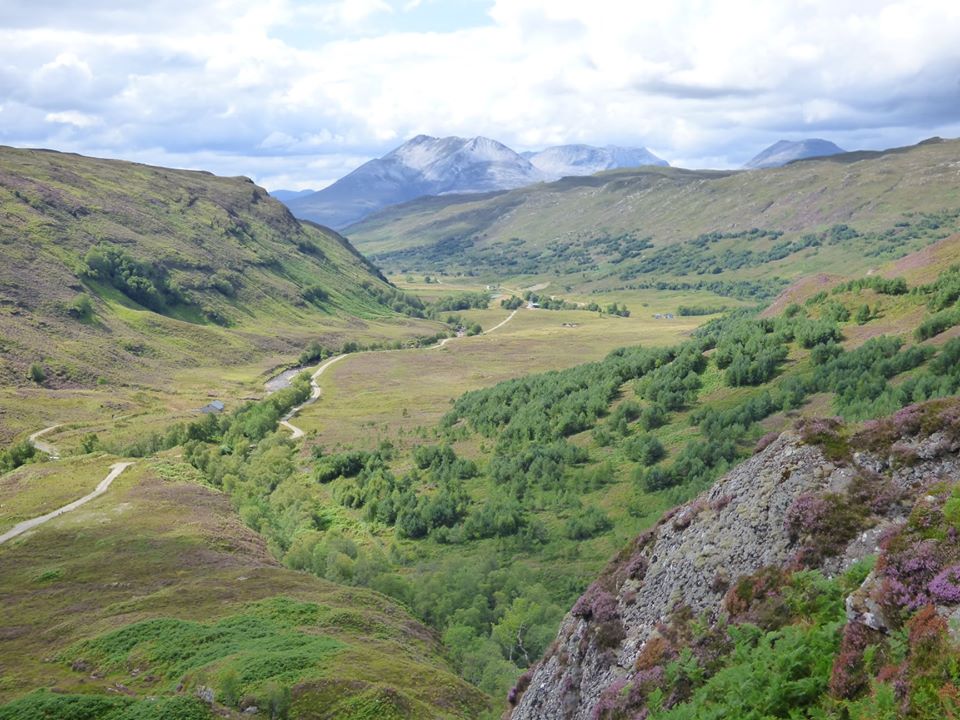
By 1860, the family – Robert, Sarah and children James, aged 5 and Robert aged just 2, have moved again and can be found in a shepherd’s cottage in the remote Glen Tanagaidh in the parish of South Gairloch, north of Kinlochewe. The cottage, of which ruins can possibly still be found, sits on flat fertile ground beside a burn, emerging from the Heights of Kinlochewe.
It was here, in this remote place, that Sarah gave birth to twin sons, Walter and John, on 31st May 1860. Walter was born first at 6am with John following at 6.15am. I wonder if she knew she was having twins? Did they have help from a local woman or did Robert help with the birth, his skills as a shepherd standing him in good stead! Thankfully, both babies survived as Walter is my 2x great grandfather.
A year later, the 1861 census records that the family are still living in Glen Tannagaidh. Robert was not the only lowland shepherd (even though he was born in Ross-shire I am sure he was still regarded as a lowlander who didn’t speak Gaelic), living and working in the area stretching across Ross-shire from Dingwall to Gairloch. Their skills were needed to work with the sheep on the land and move them along the drove roads. Glen Tannagaidh sits on a drove road that saw animals being moved as far away as the Isle of Lewis, through Gruinart and down to the sales at Kinlochewe.
The Scott family were their nearest neighbours, Walter being from Roxboroughshire with the under gamekeeper William McLean coming from Fodderty.
Thankfully, Sarah had help from Janet McLean, age 20, a local girl who lived with the family as a domestic servant. Who wouldn’t need help with one year-old twins, a six year-old and a three year-old – all boys! Sarah must have been hard-working, resilient and very capable to live through winters in Glen Tannagaidh with the wind and rain driving off the hills down the glen. I wonder how often she asked Robert if they could move back to Ayrshire to be closer to her family? How often did she travel out of her remote glen and see other people? Did she grow vegetables and keep animals around the cottage? Could she cut peat to keep them warm?
Another year passes and the family continue to live at Glen Tannagaidh. Sarah gives birth to a daughter, Helen on 2nd May 1862. I don’t know how long the family remained in the glen after Helen’s birth but by 10th July 1864, Sarah gives birth to another daughter, Jane, but this time the baby is born in St. Quivox, Ayrshire. Sarah and Robert had a further five children but no more babies were born in Ross-shire, leaving behind their life in Glen Tannagaidh forever. Those four years or so that they spent there must have shaped their lives.
By the time of the 1871 census, Sarah, aged 39 and Robert, aged 36, and their eight children have settled in Newton Kennedy, Girvan, Ayrshire. From there the family would thrive, grow up and marry, starting families themselves, spreading across Ayrshire where many Ballantynes can still be found and I am proud to be one of them.
Robert died in Ayr of kidney disease in 1902, aged 64. Sarah lived on until 1910 and also died in Ayr at 105, High Street, aged 77 years from cardiac failure.
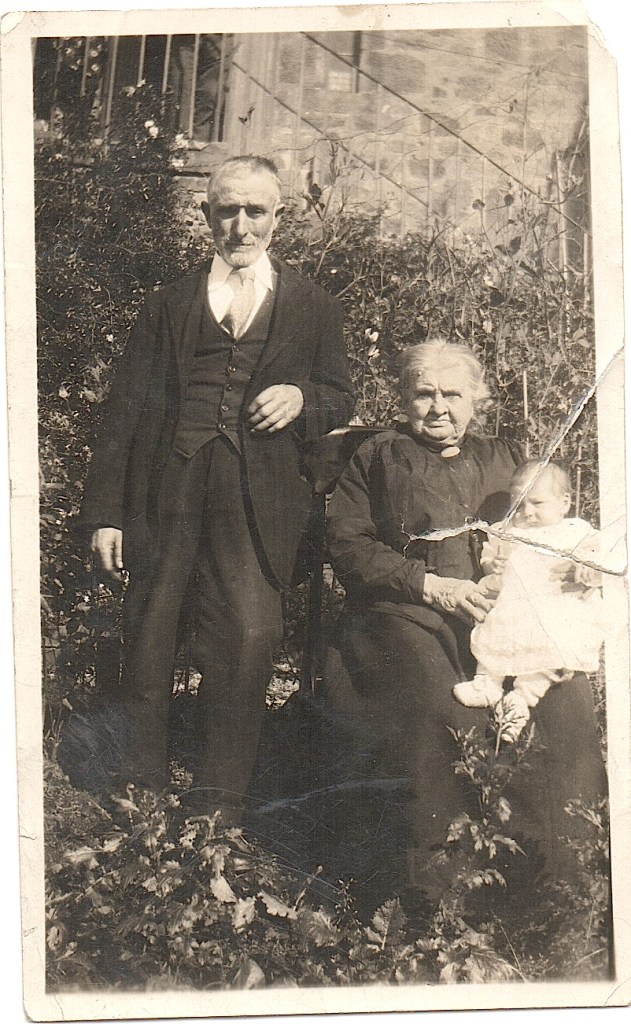
My 3x great grandfather, Walter, married and became a stonemason. ‘Watty’ became a well-known figure in Stewarton where my great grandfather, Robert and my grandfather, Walter were both born. The amazing story of Robert’s elder brother, Andrew, can be found elsewhere in this blog and it is also an excellent story of survival. Two of Robert’s other brothers also left Scotland to find a better life elsewhere – Walter travelled to Australia and James to New Zealand but Robert, my 3x great grandfather stayed here in Scotland and I’m so pleased he did. His story is no less remarkable.
Discover more from Discovering My Family
Subscribe to get the latest posts sent to your email.

 Discovering My Family